
 Schön, dass Sie den Weg zu uns gefunden haben! Wir sind die offizielle ESF Webseite und bieten Ihnen Informationen und Anleitungen zu allen Themenbereichen der Online Beauty Welt. Durch die sozialen Netzwerke wie Facebook, Instagram und Co. ist es heute ein großes Anliegen vieler Frauen als auch Männer, die neuesten Trends zu kennen und diese auch mit einfachsten Methoden bei sich selbst auszuprobieren.
Wir schreiben komplette Berichte, Anleitungen und Ratgeber zu diversen Themen und freuen uns, wenn Sie uns regelmäßig besuchen. Das hat den Vorteil, dass Sie immer auf dem Laufenden bleiben und keines dieser Trends verpassen. Gerne können Sie uns auch auf Facebook oder Instagram teilen und so das soziale Netzwerk noch weiter ausbauen. Das hilft uns, den Bekanntheitsgrad zu steigern und immer neue und wiederkehrende Besucher zu erhalten.
Das sind unsere neusten offiziellen Berichte
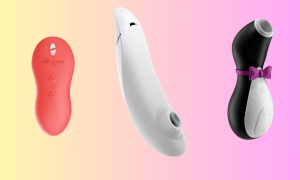
Die 3 besten Vibratoren für Frauen, die es online zu erwerben gibt
Weiterlesen …

Die 3 besten Bleaching-Sets für strahlendweiße Zähne
Weiterlesen …
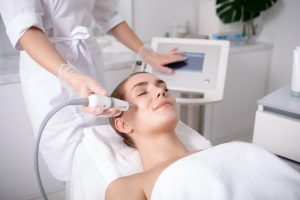
Die 3 Besten Mikrodermabrasionsgeräte In Der Analyse
Weiterlesen …
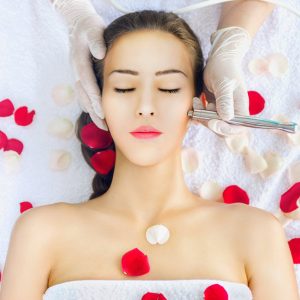
Die 3 Besten Mitessersauger In Der Analyse
Weiterlesen …
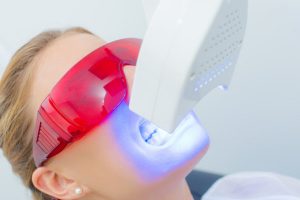
Die 3 Besten Mittel Zum Zähne Aufhellen In Der Analyse
Weiterlesen …
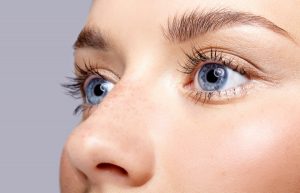
Die 3 Besten Wimpernseren In Der Analyse
Weiterlesen …